
The math was brutal for Lucknow Super Giants in their first season under Rishabh Pant. Six wins from 14 matches, finishing seventh.
When a franchise pays INR 27 crore for a captain and watches him score 269 runs across 13 innings at a strike rate of 133.16, the December retention deadline stops being about loyalty and starts being about survival.
Three things broke LSG’s season apart. Pant scored just 151 runs from his first twelve innings at a strike rate of 107.09.
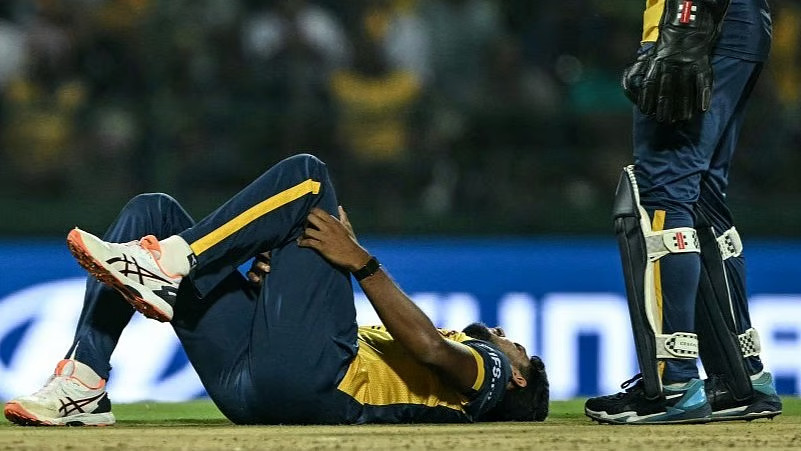
Mayank Yadav played only two matches before sustaining another back injury. And the purse, stretched thin by expensive retentions before the mega auction, left LSG scrambling for balance when injuries and form failures arrived together.
The franchise now faces a rebuild that requires releasing players they once considered foundational.
Players Likely Released By LSG Ahead Of IPL 2026
The releases expected from LSG tell the story of a season gone sideways. Mayank Yadav became the face of Indian fast bowling’s injury crisis. Miller and Bishnoi’s expensive contracts couldn’t justify their production.
Expected releases:
- Mayank Yadav
- David Miller
- Shamar Joseph
- Avesh Khan
- Abdul Samad
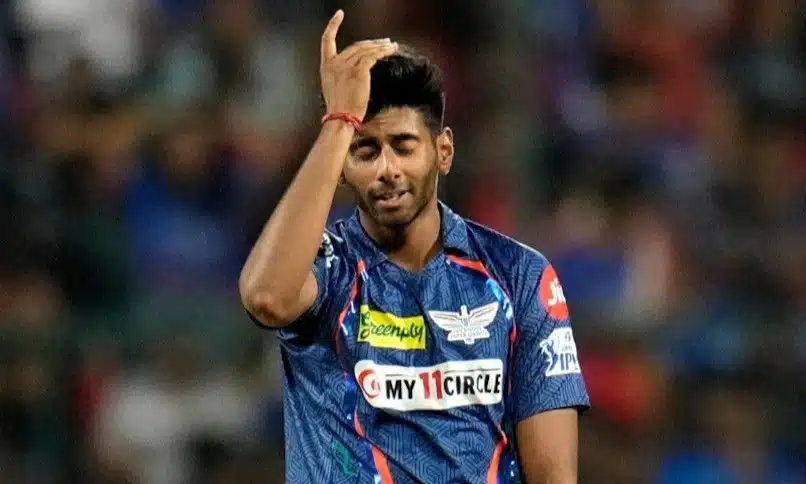
Mayank returned bowling in the early 140s, far from the 156.7 km/h he’d touched in 2024. He bowled eight slower balls in a single match against the Mumbai Indians before another back injury ended his season.
Miller averaged 30.60 but never crossed 27 runs in any innings. For INR 9.75 crore, that’s terminal. Avesh’s 13 wickets came at an economy rate of over ten.
The budget freed matters enormously. Mayank and Bishnoi combine for INR 22 crore, Miller and Avesh another INR 17.25 crore.
LSG could enter the auction with 42.35 crore, potentially the tournament’s largest purse. That’s Cameron Green’s money.
LSG Retained Players 2026
Below are the players LSG is expected to retain, each carrying specific value for the franchise’s 2026 rebuild and Zaheer Khan’s tactical blueprint.
| No. | Player Name | Position / Role | Notable 2025 Stat or Reason |
|---|---|---|---|
| 1 | Rishabh Pant | Captain / Wicket-keeper batter | Leadership value; key long-term core. |
| 2 | Aiden Markram | Top-order batter | 445 runs in 13 matches (2025); top-order stability. |
| 3 | Nicholas Pooran | Middle-order batter/finisher | Power-hitting and finishing ability; backup keeper. |
| 4 | Mitchell Marsh | All-rounder | First IPL century in 2025; overseas balance. |
| 5 | Ayush Badoni | Batter/finisher (Indian) | Domestic finisher potential. |
| 6 | Ravi Bishnoi | Spinner | Indian spin quota; reports suggest mixed signals. |
| 7 | Mohsin Khan | Fast bowler | Left-arm Indian pacer with strong upside. |
| 8 | Akash Deep | Fast bowler | Swing specialist; may be budget release. |
| 9 | Shardul Thakur | All-rounder/seam support | Utility value, but costly. |
| 10 | Shahbaz Ahmed | All-rounder | Domestic all-round depth option. |
| 11 | Mayank Yadav | Fast bowler | Rare Indian 150 km/h pace talent; long-term project. |
The retention list reveals LSG’s priorities: preserve the overseas batting core while gambling on domestic pace potential and navigating expensive question marks.
1. Rishabh Pant
The twenty-seven-crore investment towers over every decision. Pant scored 269 runs in 13 innings, averaging 24.45.
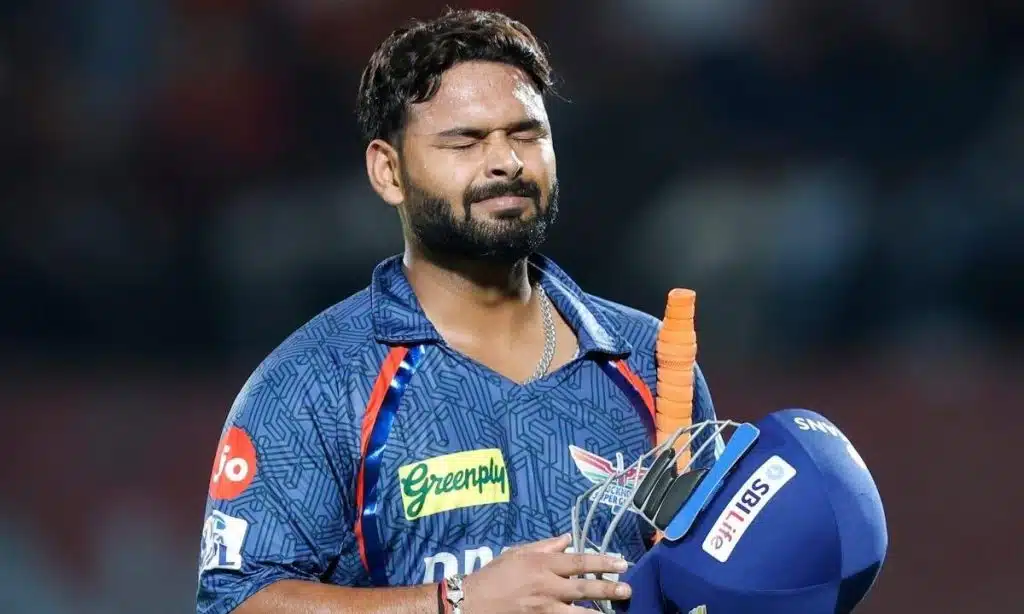
His sequence of 0, 15, 2, 2, 21, 63, 3, 0, 4, 18, 7, 16 not out, 118 not out. Strike rate sat at 96.36 through eight innings. But LSG has no choice except retention. Releasing him after one season admits the entire strategy failed.
His recent Test form included two centuries in England, making him the fastest Indian keeper to 3000 Test runs. The batting ability exists. It’s trapped between format and expectation.
2. Aiden Markram
Markram scored 445 runs in 13 matches with five fifties. Bought at a base price of two crore, he delivered returns that made the auction room look foolish.
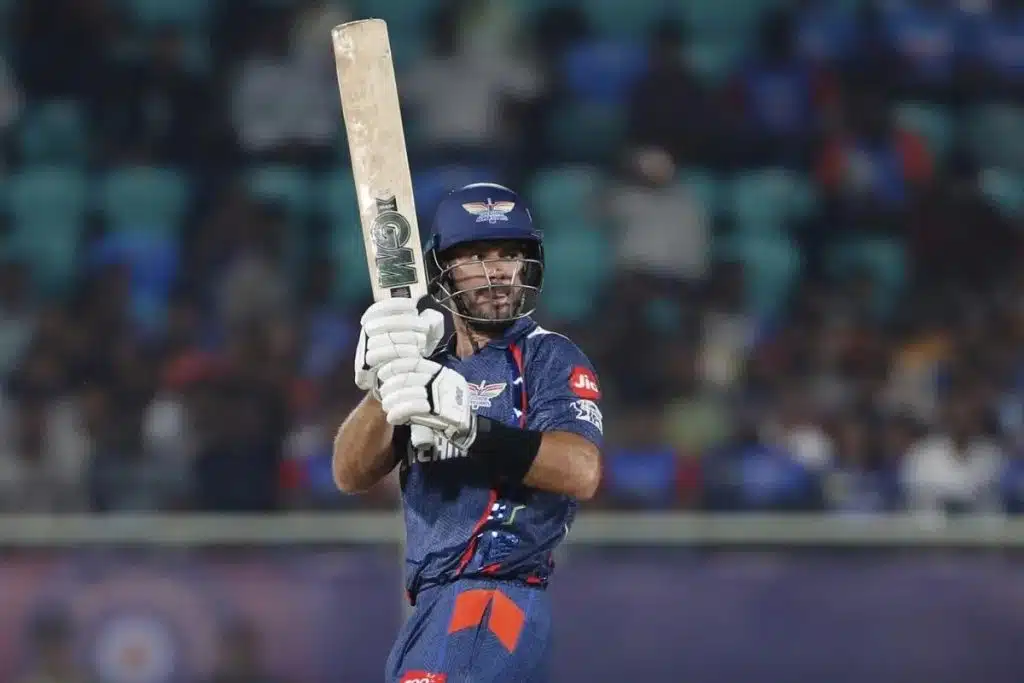
His scores of 53, 47, 58, and 66 in four of the last five games helped LSG string together wins when the season was slipping.
He admitted there was temptation to hit sixes like teammates, but his best chance was batting his way, accumulating through gaps with timing, not muscle. For two crore, that’s daylight robbery.
3. Nicholas Pooran
Pooran became the second-fastest to 2000 IPL runs during the season. He crossed 1000 runs for LSG with a 70 off 26 balls against Sunrisers Hyderabad, featuring six sixes.
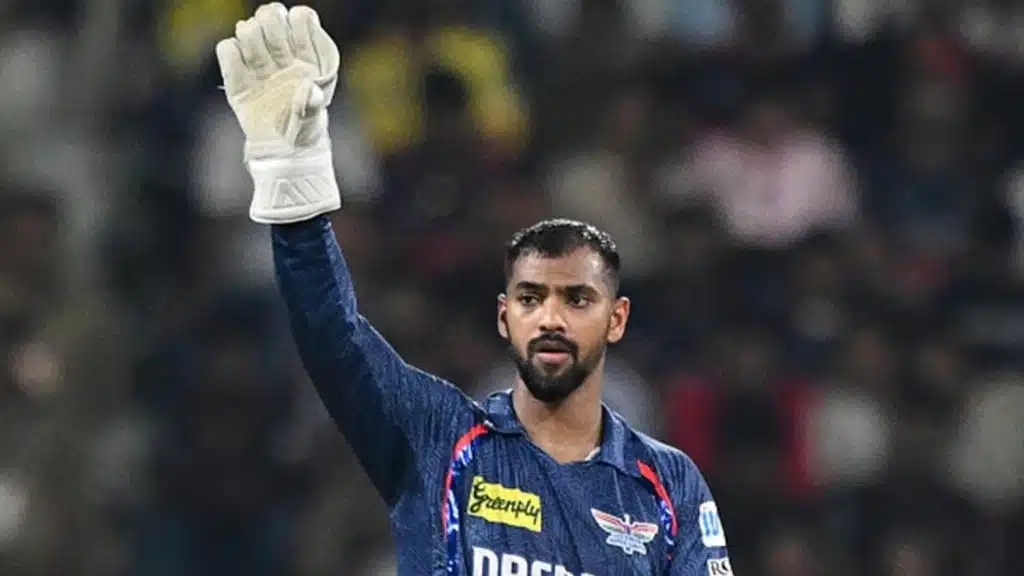
He holds the record for most fifty-plus scores in under twenty balls in IPL history, with four such innings. His 61 off 34 against the Gujarat Titans came when LSG needed to chase 181.
His partnership of 116 runs with Marsh was LSG’s highest second-wicket stand. His keeping ability provides backup if Pant needs rest.
4. Mitchell Marsh
Marsh’s maiden IPL century against Gujarat Titans, 117 off 64 balls with ten fours and eight sixes, arrived when LSG needed proof.
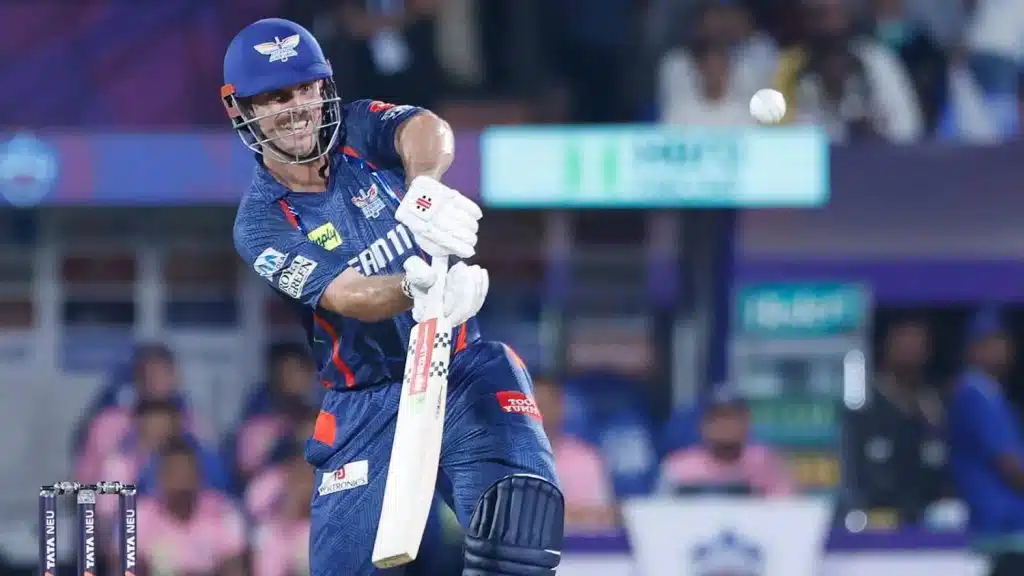
He finished with 627 runs from 13 matches, averaging 48.23. Picked for 3.4 crore, a steal for someone who brings captaincy experience. His bowling adds dimension when others break down.
5. Ayush Badoni
Badoni was LSG’s most consistent Indian batter, providing domestic finishing that keeps you under the cap. His value isn’t spectacular hundreds, but he plays crucial innings in the lower middle order.
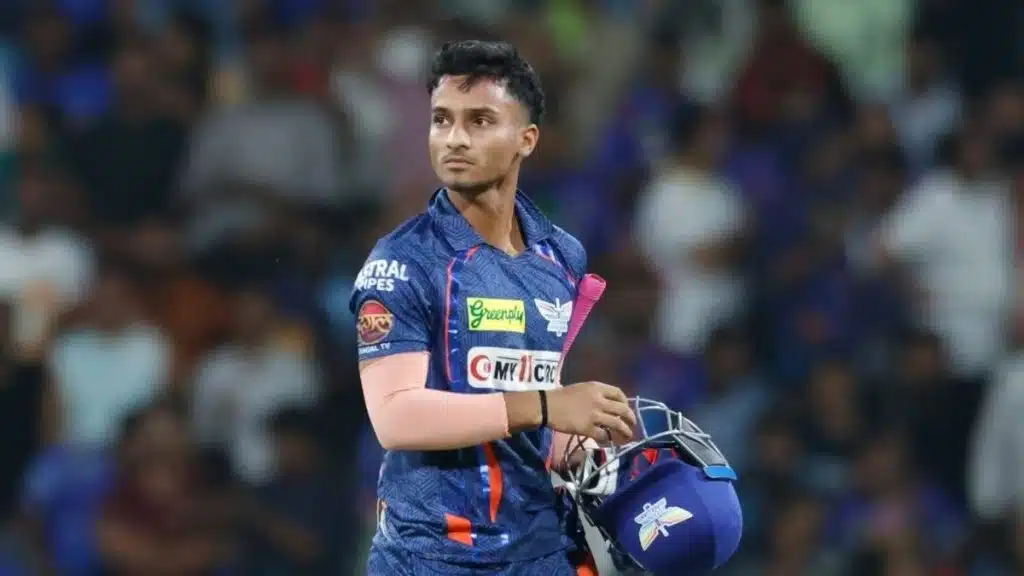
That innings against the Gujarat Titans featured two fours and a six, enough to get across the line. He captains Delhi in domestic cricket.
At twenty-four, he’s a project who might become a ten-crore player. He won’t win Orange Caps. He might win three close games that decide the playoffs.
6. Ravi Bishnoi
Reports on Bishnoi’s retention are split down the middle. He took nine wickets in 11 matches at an economy of 10.83, eventually losing his place.
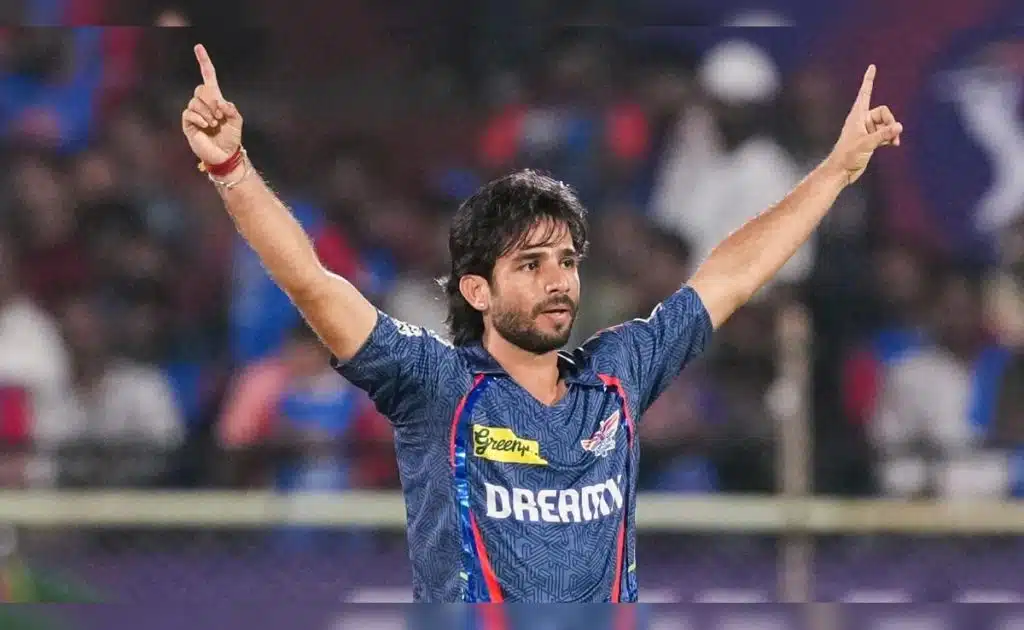
That’s damning for eleven crore. But Lance Klusener praised his growth, noting he delivered 2/18 from four overs against CSK. The case rests on potential and Indian spin scarcity. Bishnoi took 39 wickets across three LSG seasons.
His struggles might have been situational: captaincy change, team dysfunction, and form dip. If the economic rate doesn’t improve, this looks like sentimentality over strategy.
7. Mohsin Khan
Mohsin was recovering from a lumbar stress injury and missed significant time, making retention about projection, not production. The left-arm pacer showed promise in previous seasons with a new-ball swing that troubles top-order batters.
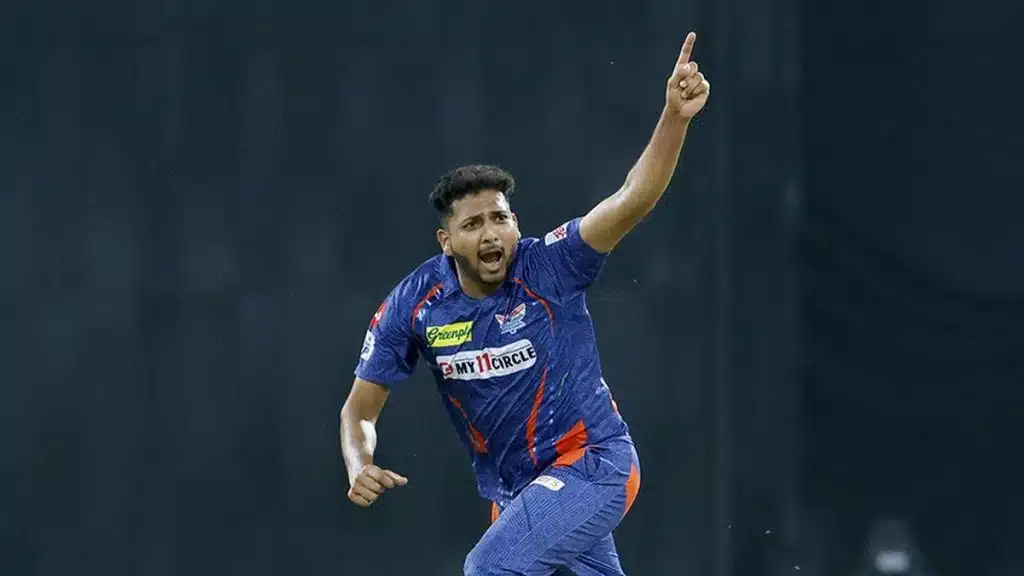
When healthy, he’s a weapon. The problem is that “when healthy” became the operative phrase. Quality Indian left-arm pacers don’t appear often at auction. If LSG releases him, they’re paying more to replace him.
His 2026 role is a new ball and a second-seam option. The upside is high enough that LSG absorbs the injury risk.
8. Akash Deep
Deep plays for India now, selected to the national Test side. That elevation suggests talent selectors value even if IPL returns were modest. He played six games before getting dropped, picking three wickets at an economy of 12.05.
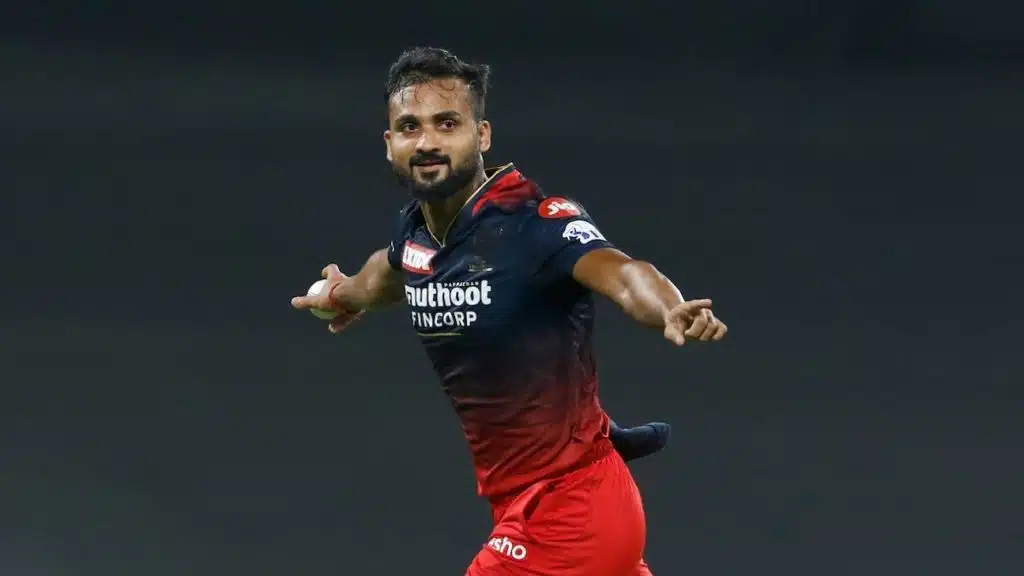
His red-ball skills didn’t translate to twenty-over cricket. The eight-crore price tag looked baffling, paying a premium for someone unproven in T20s. If retained, his role is backup seamer, playing six matches when conditions favor movement.
This decision reveals whether LSG prioritizes international credentials or format-specific production.
9. Shardul Thakur
Thakur went unsold before LSG signed him as an injury replacement for Mohsin Khan. He made an instant impact, taking six wickets in his first two matches, including Player of the Match against Sunrisers Hyderabad.
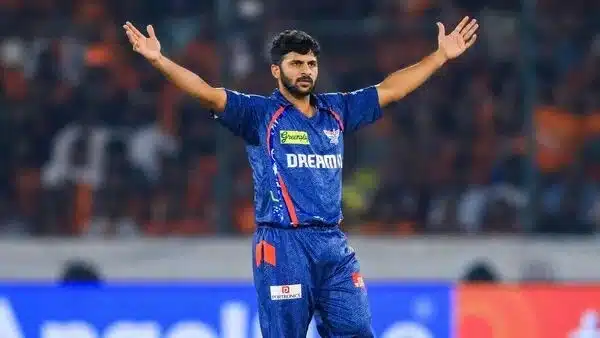
His late-over heroics against the Mumbai Indians grabbed attention. He’s not fast. He won’t bowl teams out in the power play. But he’s experienced, reliable when fit, capable with bat and ball. His comeback earned him a Test squad spot for England.
His role is Indian seam support and lower-order batting. Championship teams need players who do their jobs without headlines.
10. Shahbaz Ahmed
Shahbaz provides domestic all-round depth, a squad option who might play six matches but needs to be available. His left-arm spin and lower-order batting give tactical flexibility without burning crores. One injury can derail your season.
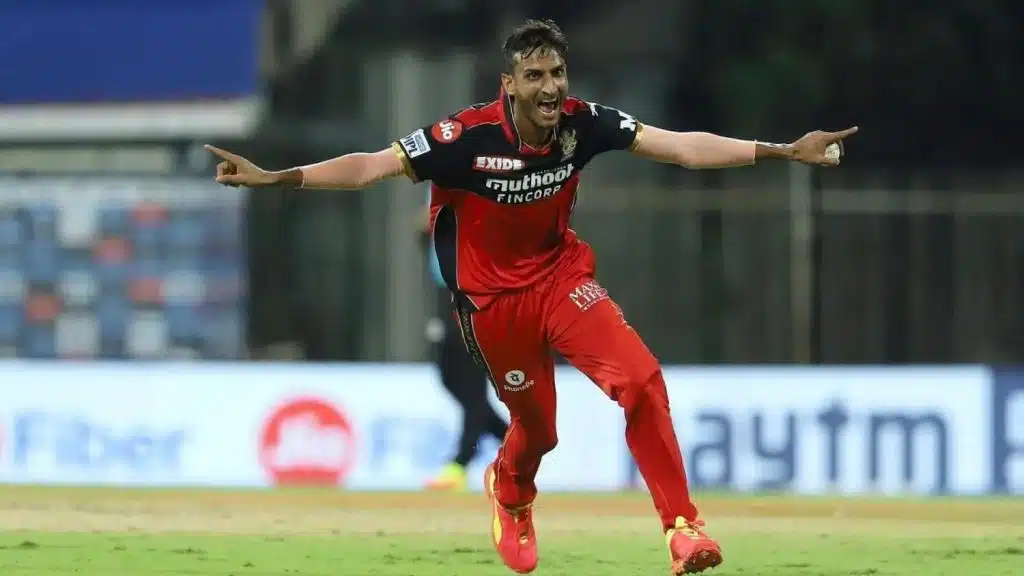
Having capable backups prevents panic. He won’t make highlight reels. Then suddenly, Bishnoi’s unavailable, or LSG needs a left-arm spinner for a specific matchup, and Shahbaz slots in without balance collapsing.
His role is utility all-rounder, ready for whatever gap appears. These players matter as much as stars because they prevent weaknesses from becoming disasters.
11. Mayank Yadav
The Mayank debate might be LSG’s defining choice. Retaining him at eleven crore after two matches looks like throwing good money after bad. His fastest ball was 142.7 km/h, far below the 156.7 km/h that made him special.
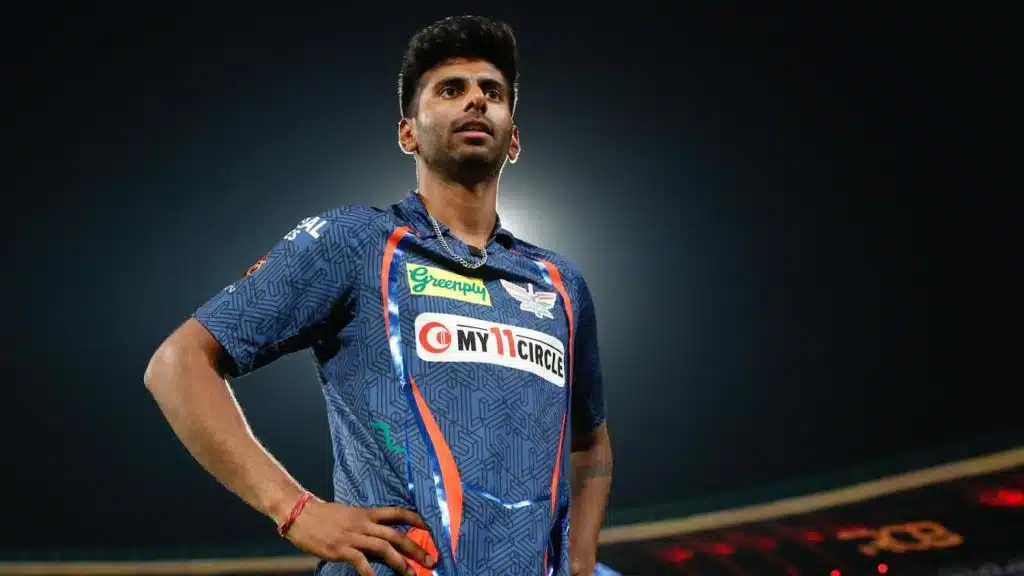
But releasing India’s fastest bowler, someone who received a special BCCI fast bowler’s contract, carries enormous risk. If Mayank finds fitness and regains a 150 km/h pace, whichever team signs him looks brilliant.
The decision tests whether LSG prioritizes floor or ceiling. Releasing him frees budget for reliable alternatives. Retaining him preserves the chance that a healthy Mayank wins three matches by himself.
Players Lucknow Super Giants Is Planning To Take, & Who They Should
LSG could enter the auction with INR 42.35 crore if they release Mayank, Bishnoi, Miller, and Avesh, potentially the tournament’s largest war chest.
The gaps are obvious here, with death bowling, Indian pace depth beyond Shardul and Mohsin, and one more quality overseas option.

Cameron Green represents the dream signing —an all-rounder who could replace David Miller with better batting and genuine pace bowling. Matt Henry, in incredible T20 form this year, addresses death bowling immediately.
His yorkers and change-of-pace variations are exactly what LSG lacked when defending totals in 2025.
The auction strategy requires discipline. With the tournament’s biggest purse, LSG will face temptation to chase every big name.
The smart move is identifying three must-haves of one elite overseas all-rounder, one death-overs specialist, and one Indian seamer under thirty. Win those battles. Let the rest play out.
Related Reads:
Conclusion: LSG Should Retain Its Core While Freeing Cost To Rebuild Pace
The retention strategy tells us LSG learned something from 2025’s failure. Keeping Marsh, Markram, and Pooran preserves the batting foundation that actually worked.
Those three overseas batters contributed over 400 runs each, the first time an IPL team achieved that from three foreign players in one season.
The release strategy appears justified when measured against production and cost. Miller’s 153 runs at a 127.49 strike rate with no score above 27 can’t survive at INR 7.5 crore.
Mayank’s two matches in two seasons become a sunk cost the franchise needs to walk away from. The final verdict balances stability with urgent upgrades. LSG’s batting doesn’t need a revolution. Their bowling demands it.
They have the purse to do this right. If 2026 starts with the same bowling problems under new names, the retention strategy failed.
If death-overs economy rates drop below nine and Indian seamers stay healthy, this rebuild gets remembered as the moment LSG became serious about winning titles.
FAQs
Performance metrics like economy rates and strike rates drive releases, particularly when paired with high salary costs. Players earning eight crore or more face scrutiny if their production doesn’t justify the investment, especially when injuries limit availability.
Committing funds to three overseas batters requires finding value in Indian pace options. LSG must target bowlers priced under four crore who offer consistent availability rather than chasing expensive domestic stars.
November 15 marks the deadline for retention decisions before the December 13-15 mini-auction window. Teams must submit their lists to IPL governing council, with official announcements following internal approval processes.
Salary cap regulations favor developing domestic talent who count against Indian quotas without consuming premium budget. Badoni’s leadership experience captaining Delhi adds strategic value while his age allows long-term planning unavailable with aging foreign players.
Released players create approximately forty-two crore in available funds, positioning LSG among the auction’s strongest bidders. This capital allows targeted pursuit of death bowlers and all-rounders who address specific gaps.