When people talk about a team being “rich” in the Indian Premier League, they’re talking about brand value, the kind of business valuation that comes from what broadcasters pay, what sponsors shell out, how many fans show up and stream and buy jerseys.
A bunch of franchises blew past the US$100 million mark in 2025, and honestly, the rankings shift around every year. A title win here, a new stadium deal there, and the whole map gets redrawn.
The business side of the IPL runs on media rights worth billions, plus title sponsorships from the kinds of multinationals you’d recognize, and lately, teams launching sister clubs on other continents.
This article ranks the wealthiest IPL teams. It tries to explain what actually separates the top earners from everyone else, and how these valuations end up shaping everything, auction budgets, sure, but also which teams think globally and which ones stay local.
Top 10 Richest IPL Teams
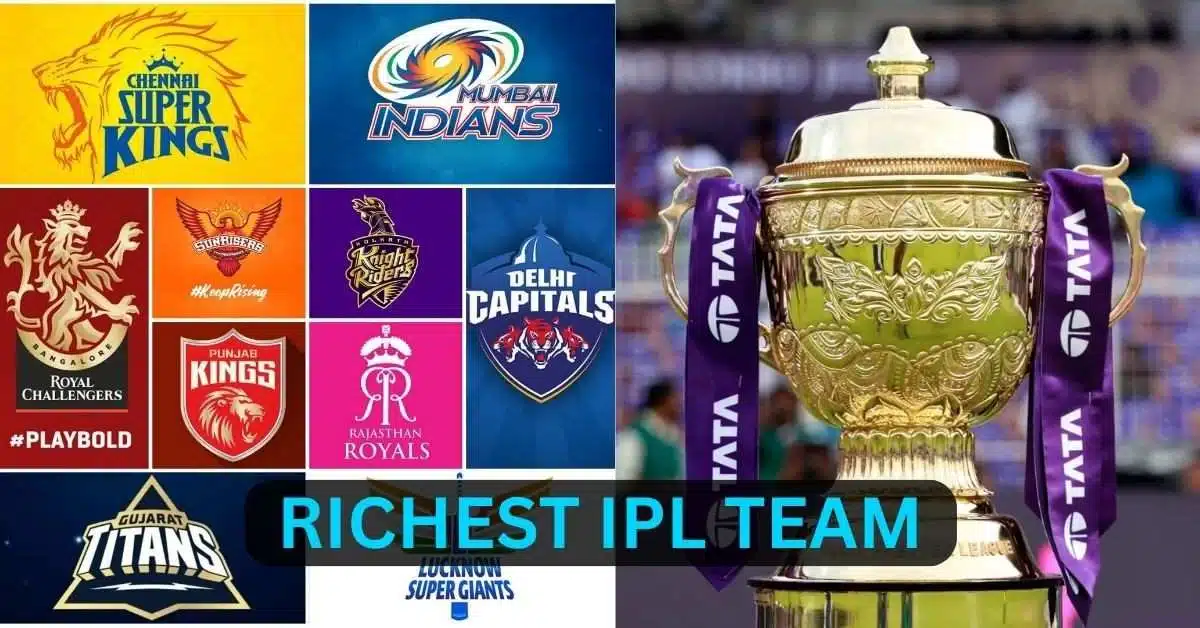
The table below shows where things stood in 2025, all ten franchises ranked by their estimated brand value in US dollars.
These numbers come from a mix of championship histories (the ones people remember), ownership backing (the deep pockets), social media reach (followers who actually engage), and whatever strategic investments got made recently.
| Rank | Team | Estimated Value | Owner / Group | Revenue or Value Drivers |
|---|---|---|---|---|
| 1 | Royal Challengers Bengaluru (RCB) | $269 million | United Spirits | Huge fanbase + recent title boost. |
| 2 | Mumbai Indians (MI) | $242 million | Reliance/IndiaWin | Five-time champions; global brand. |
| 3 | Chennai Super Kings (CSK) | $235 million | India Cements / N.Srinivasan | Legacy, Dhoni effect, strong fan loyalty. |
| 4 | Kolkata Knight Riders (KKR) | $227 million | Red Chillies / SRK | Multi-league global presence, fan engagement. |
| 5 | Sunrisers Hyderabad (SRH) | $154 million | Sun Group | Recent growth surge, strong youth pipeline. |
| 6 | Delhi Capitals (DC) | $152 million | JSW Group / GMR | Huge market, increasing brand value. |
| 7 | Rajasthan Royals (RR) | $146 million | Emerging Media | Historic brand rebounding, new stadia. |
| 8 | Gujarat Titans (GT) | $142 million | CVC Capital / Torrent | New franchise success, high potential. |
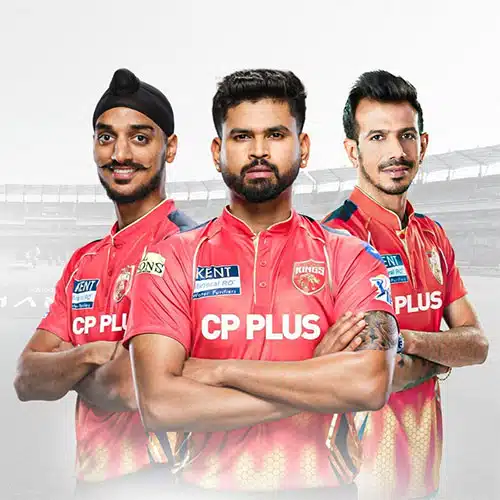
| 9 | Punjab Kings (PBKS) | $141 million | KPH Dream | Brand turnaround effort, large fan-base growth. |
| 10 | Lucknow Super Giants (LSG) | $122 million | RPSG Group | Rapid growth, strong domestic positioning. |
The table tells a quick summary, but let’s put into perspective what makes these teams such giants in mint.
1. Royal Challengers Bengaluru
RCB jumped to $269 million in 2025, up from $227 million the year before. And you know what changed? They finally won.
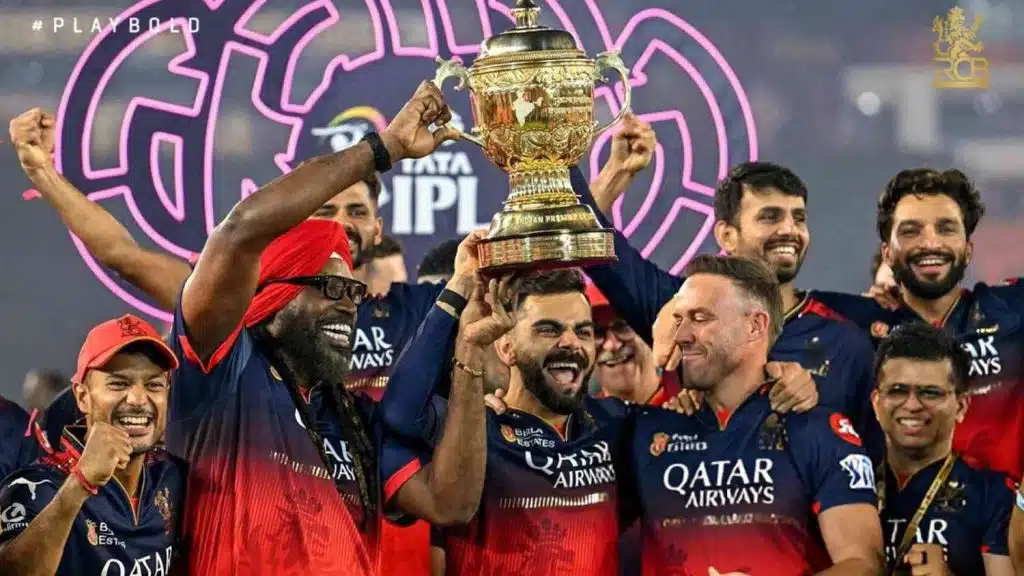
Their first title ever, after seventeen years of trying. That victory alone triggered roughly a 20% spike in brand value, which tells you something: on-field success still matters, even when you’re already sitting on one of the most massive fan bases in cricket.
During the 2025 season, they became the first IPL franchise to cross 20 million Instagram followers. Think about that number for a second. Twenty million people are clicking follow, watching stories, and engaging with posts.
United Spirits owns them, which is a subsidiary of a global drinks conglomerate, which means access to sponsorship networks most teams can only dream about. Marketing budgets that fuel merchandise campaigns and digital strategies that actually work.
Revenue comes from a share of the central broadcast rights, kit deals with major sportswear brands, partnerships with airlines and automotive companies, and financial services firms that pay good money to be associated with the brand.
2. Mumbai Indians
Mumbai Indians sit at $242 million in 2025. Five IPL titles help with that. So does having Reliance Industries backing you through IndiaWin Sports.
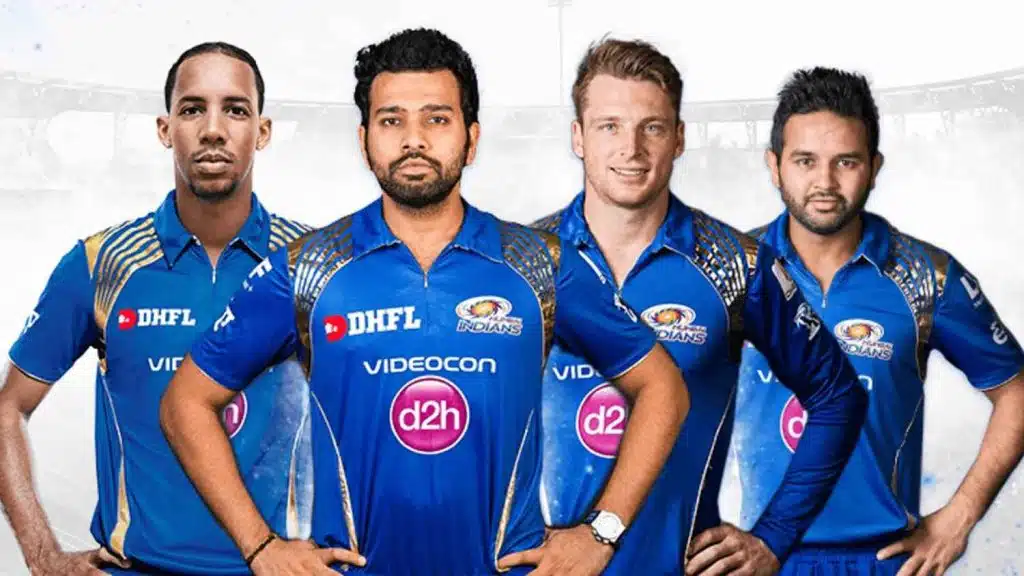
MI went global in a way most teams haven’t. They’ve got franchises across three continents now: MI Cape Town in SA20, MI Emirates in the UAE’s International League T20, and MI New York in Major League Cricket.
Then, in January 2025, Reliance grabbed a 49% stake in the Oval Invincibles for £123 million, pushing into England’s The Hundred.
They call it the #OneFamily strategy. Spread the brand across six months of cricket every year. Create year-round engagement and multiple revenue touchpoints. Keep the brand visible when other teams go dark.
Merchandise sales thrive because there’s a 50-million-strong digital following. Wankhede Stadium generates serious match-day income. And even after missing the playoffs in recent seasons, brand loyalty kept sponsorship deals intact.
3. Chennai Super Kings
CSK sits at $235 million in 2025. Five titles, same as Mumbai. But MS Dhoni’s enduring influence feels less like marketing and more like religion in some parts of India.
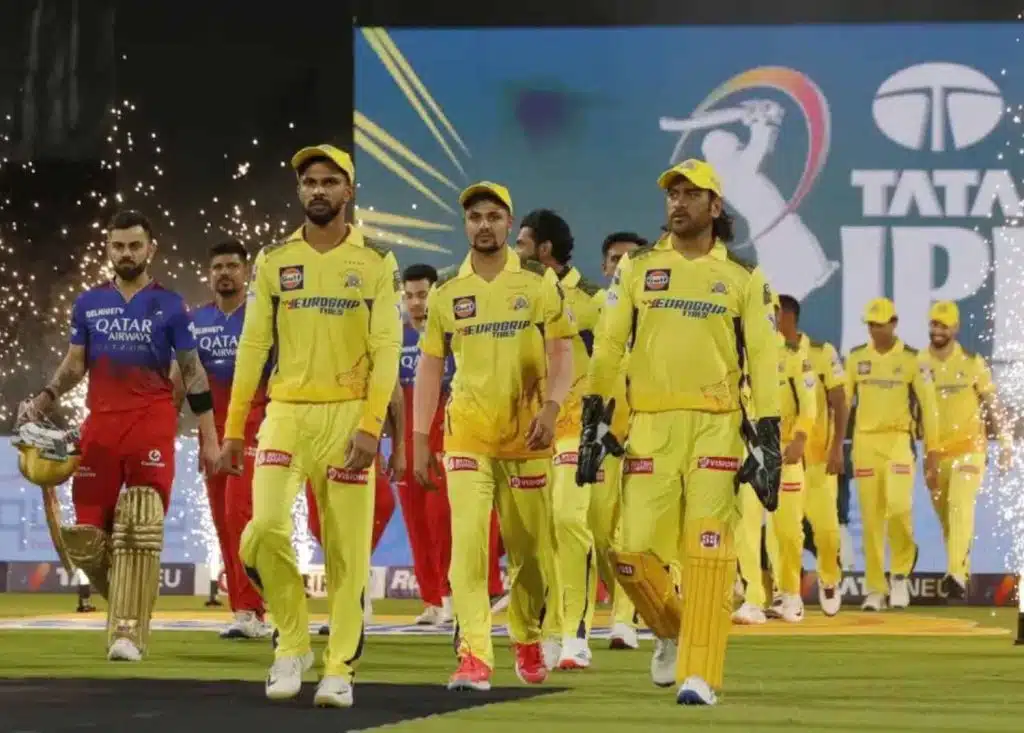
CSK grew 52% in 2023. Brand Finance research pointed straight to Dhoni when explaining that growth. His appeal just keeps driving numbers higher.
The franchise owns Joburg Super Kings in South Africa’s SA20 and Texas Super Kings in Major League Cricket.
FedEx partnered with all three Super Kings franchises. Etihad Airways became the primary shirt sponsor heading into 2025, joining Gulf Oil, Coca-Cola, and JSW Paints. CSK’s sponsorship revenue cleared $17 million in 2024.
India Cements owns the team, which brings regional political and business networks that strengthen local fan engagement across Tamil Nadu. The Yellow Army’s loyalty translates into high merchandise turnover.
They finished last in 2025. But the Dhoni brand cushioned the financial blow, proving that legacy and fan culture can preserve value even when results go sideways.
4. Kolkata Knight Riders
KKR holds a $227 million brand value in 2025, backed by three IPL titles and Shah Rukh Khan’s Red Chillies Entertainment. And honestly, you can’t separate the cricket from the Bollywood here, it’s all part of the same machine.
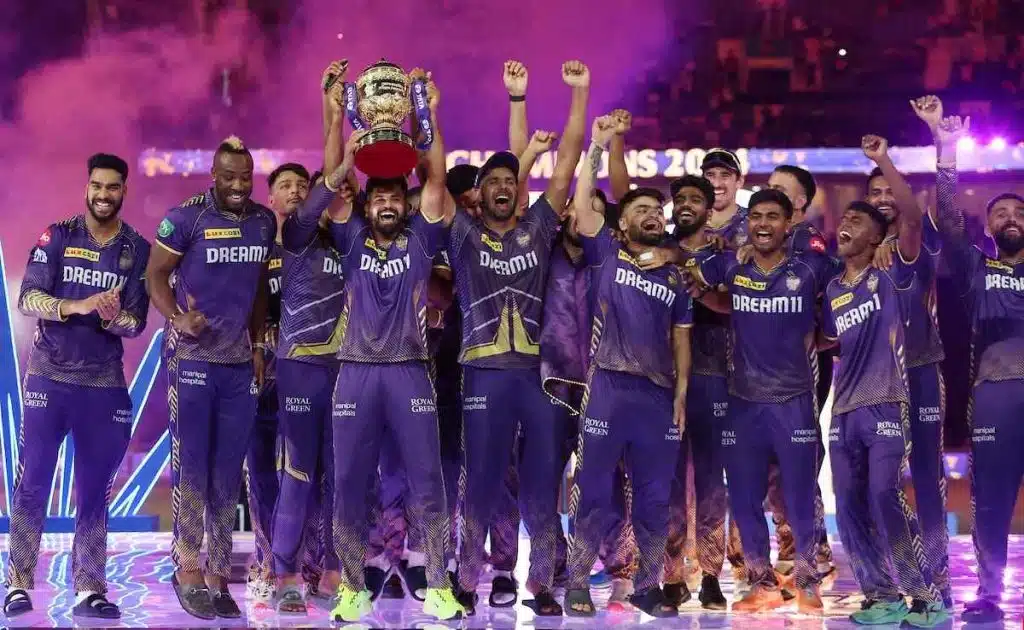
The Knight Riders Group operates franchises across four leagues, including Kolkata Knight Riders in the IPL, Trinbago Knight Riders in the Caribbean Premier League, Abu Dhabi Knight Riders in the UAE’s ILT20, and Los Angeles Knight Riders in Major League Cricket.
Trinbago Knight Riders won four CPL titles in six seasons, including an unbeaten championship run in 2020.
Shah Rukh Khan’s star power opens doors to cross-industry sponsorship opportunities most teams can’t access. Eden Gardens’ passionate crowds fuel match-day atmosphere and streaming spikes that show up in the data immediately.
The multi-league strategy creates a year-round content engine. Brands that want exposure across Indian, Caribbean, Middle Eastern, and American markets all at once.
KKR’s digital presence stays strong. Consistent playoff appearances keep sponsor confidence high, even in years when the title doesn’t come.
5. Sunrisers Hyderabad
Sunrisers Hyderabad went from $85 million in 2024 to $154 million in 2025. That’s a 76% jump, which is the highest among all franchises.
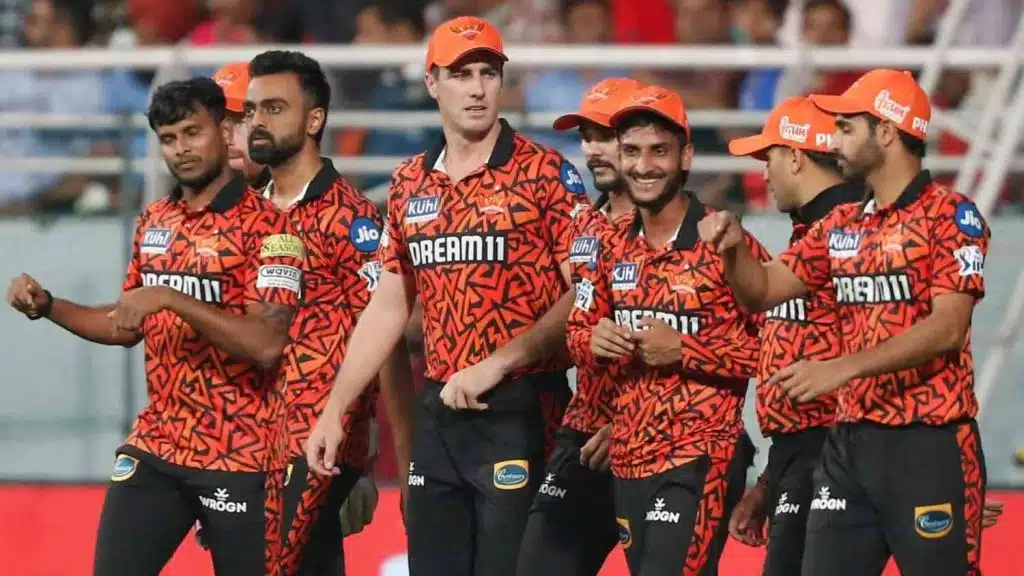
Sun Group owns them, led by media conglomerate Sun TV Network, which brings strong regional media and entertainment connections across South India.
The explosive rise followed a runner-up finish in 2024. Travis Head, Abhishek Sharma, and Heinrich Klaasen. And they delivered high-scoring performances that drew massive streaming audiences.
SRH invests heavily in youth academies. They’re producing national team players, which boosts brand prestige in ways you can’t fake. The franchise expanded into South Africa’s SA20 and England’s The Hundred.
Rajiv Gandhi International Cricket Stadium in Hyderabad sees strong attendance. Local Telugu market sponsorships from banking, automotive, and real estate sectors contribute significantly to the bottom line.
6. Delhi Capitals
Delhi Capitals reached $152 million in 2025, backed by JSW Group and GMR, two industrial heavyweights with interests in steel, energy, and infrastructure.
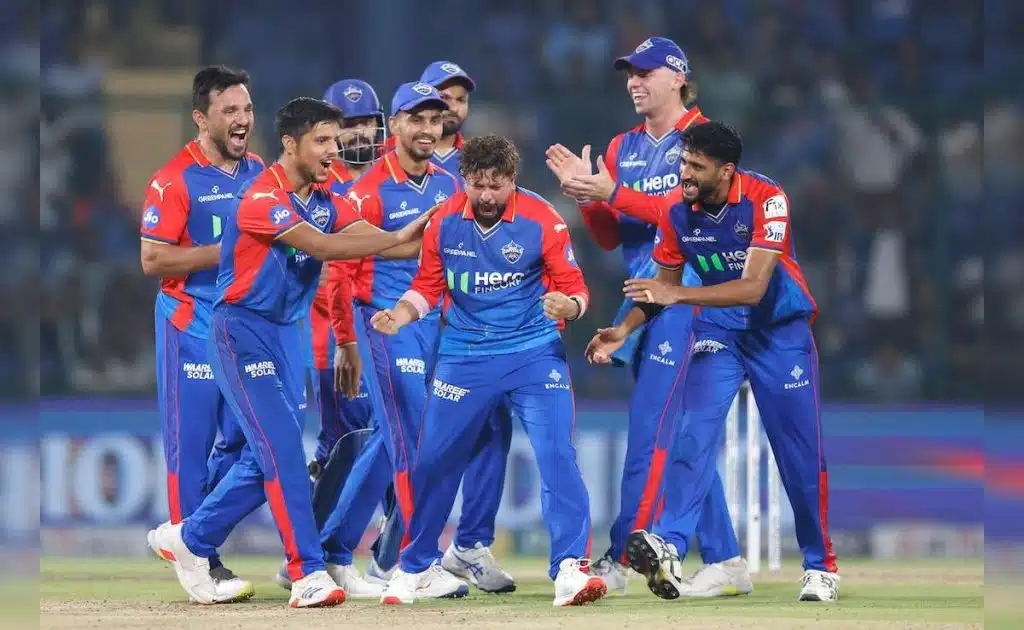
The national capital region offers the largest corporate sponsor pool in India. DC taps financial services, technology, and automotive companies for partnerships. They achieved 24% growth year-on-year, which sounds good until you realize it was the second-lowest among franchises.
The team missed the playoffs in recent seasons despite fielding strong rosters, and players who should have done better, and lineups that looked good on paper but didn’t deliver when it mattered.
JSW and GMR invested in youth academies and player development programs. They’re aiming for long-term competitiveness, the kind that builds slowly rather than buying its way to the top in one auction cycle.
DC’s brand needs a title to convert metro market advantages into peak valuation. But sponsor confidence remains high because of ownership depth and the Delhi market’s purchasing power.
7. Rajasthan Royals
Rajasthan Royals grew 30% to $146 million in 2025, capitalizing on emerging stars like Yashasvi Jaiswal and Sanju Samson. Emerging Media owns the franchise, with RedBird Capital and Lachlan Murdoch holding stakes.
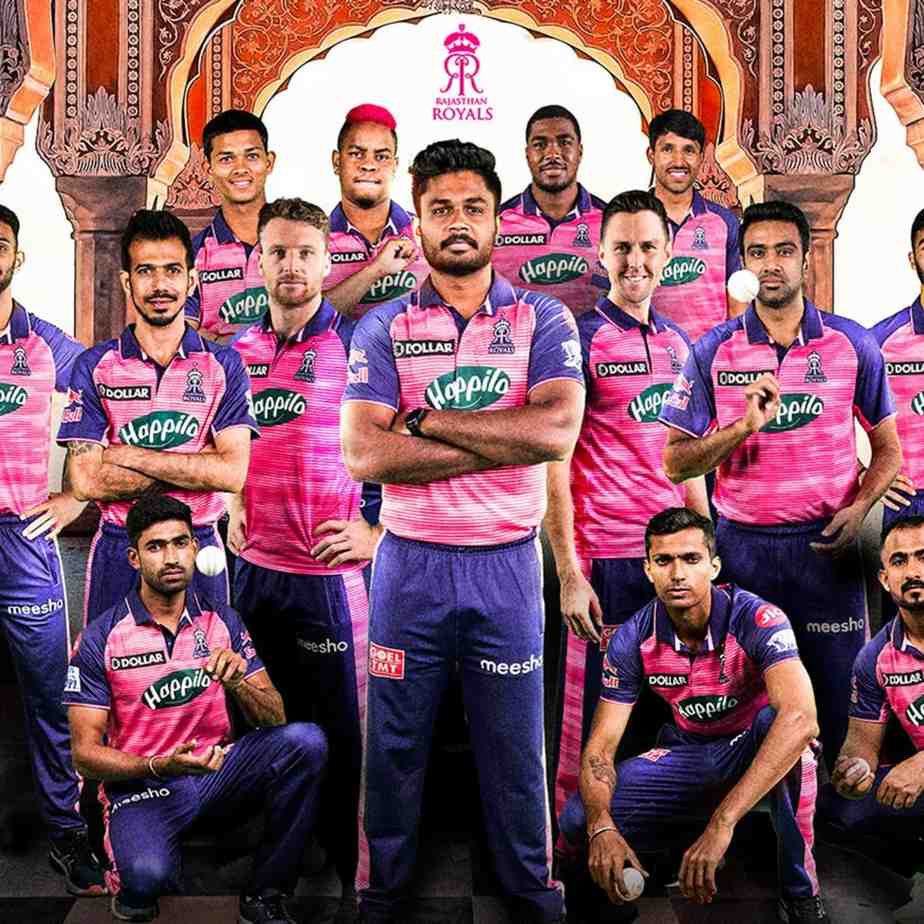
Winning the inaugural IPL back in 2008 gives RR historical credibility. The franchise leverages Rajasthan’s tourism market to attract hospitality and travel sponsors.
Youth development programs produce India internationals, which raises brand prestige in measurable ways. Jaipur’s stadium hosts passionate crowds. Merchandise sales in Rajasthan state and diaspora markets remain strong.
RR needs consistent playoff appearances to sustain value growth. One good season doesn’t cut it anymore. But smart talent scouting and regional loyalty keep them competitive in the valuation race, even if they’re not at the top.
8. Gujarat Titans
Gujarat Titans debuted in 2022 and reached $142 million by 2025. CVC Capital and Torrent Group own the franchise. They won the title in their debut season, which created instant brand equity.
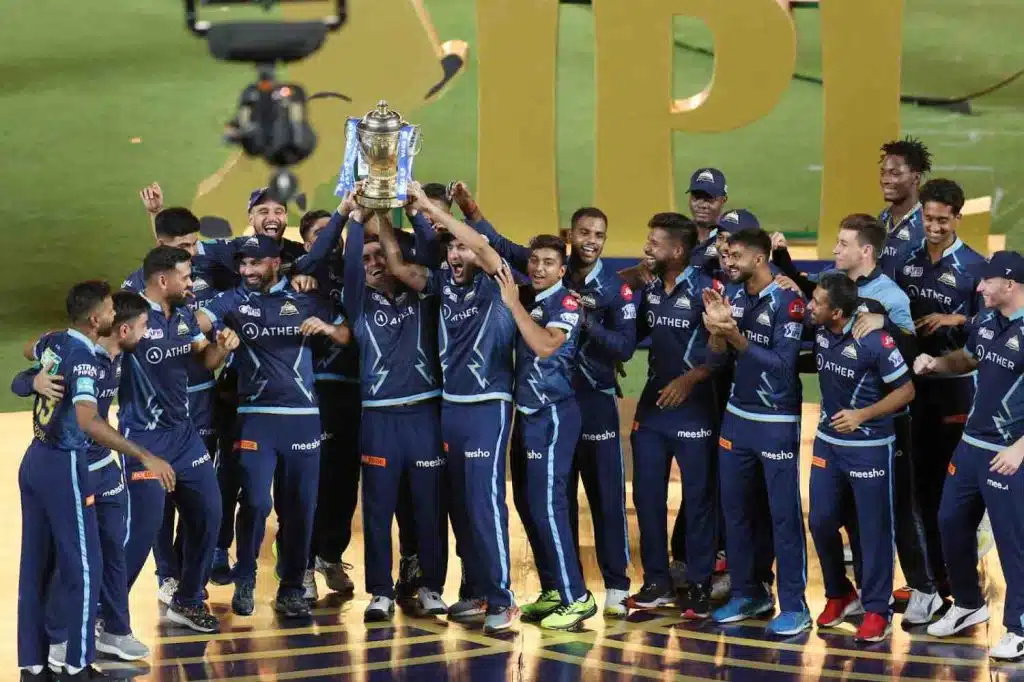
Ahmedabad’s Narendra Modi Stadium offers one of cricket’s largest venues. The space matters. So does Gujarat’s business community, rich in diamond, textile, and pharmaceutical industries. Deep sponsor pool, lots of money looking for places to go.
The franchise invests in local cricket infrastructure and youth academies. They’re building a fan base from scratch, which takes time, patience, and money.
GT’s rapid ascent proves that title success, combined with a wealthy regional market, can fast-track valuation. But sustaining that growth requires continued on-field competitiveness and marketing innovation. The question is whether they can keep it going.
9. Punjab Kings
Punjab Kings recorded the highest growth rate of 39.6%, reaching $141 million in 2025. KPH Dream owns the franchise.
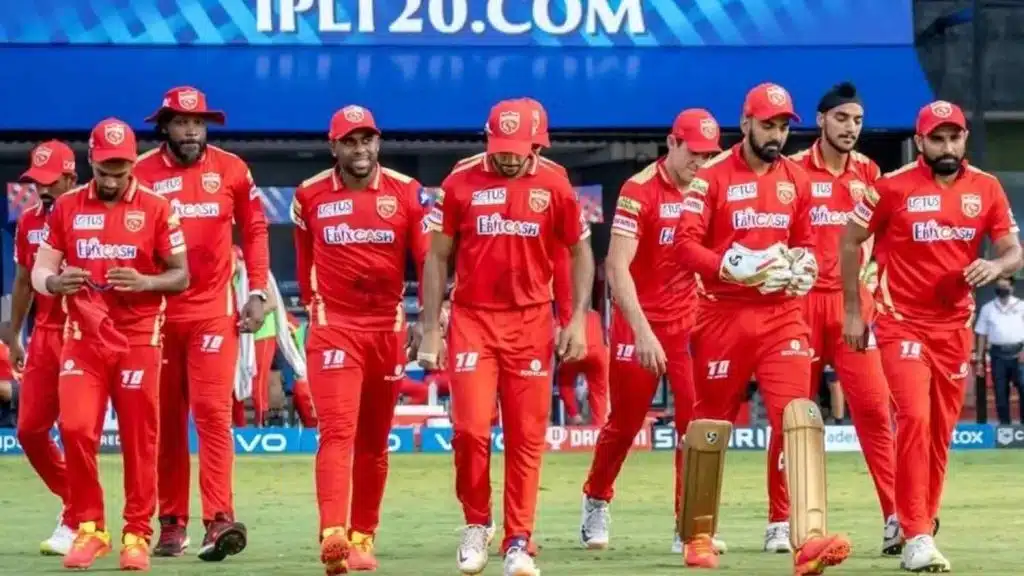
PBKS CEO Satish Menon said the franchise operates as a media-sport brand, owning teams in multiple leagues, including Saint Lucia Kings in the Caribbean Premier League.
Rebranding efforts, new stadium investments, strategic player signings—all of it drove the value surge. Punjab’s massive diaspora in Canada, the UK, and Australia creates global merchandise opportunities. Punjabi film and entertainment networks help with marketing reach.
The franchise needs on-field consistency to convert fan potential into sustained value. They haven’t reached the playoffs since 2014. But recent investments signal serious ambitions that suggest they’re not content staying at the bottom forever.
10. Lucknow Super Giants
Lucknow Super Giants, another 2022 debutant, reached $122 million in 2025. RPSG Group owns them, led by billionaire Sanjiv Goenka, who previously ran Rising Pune Supergiant back in 2016-2017.
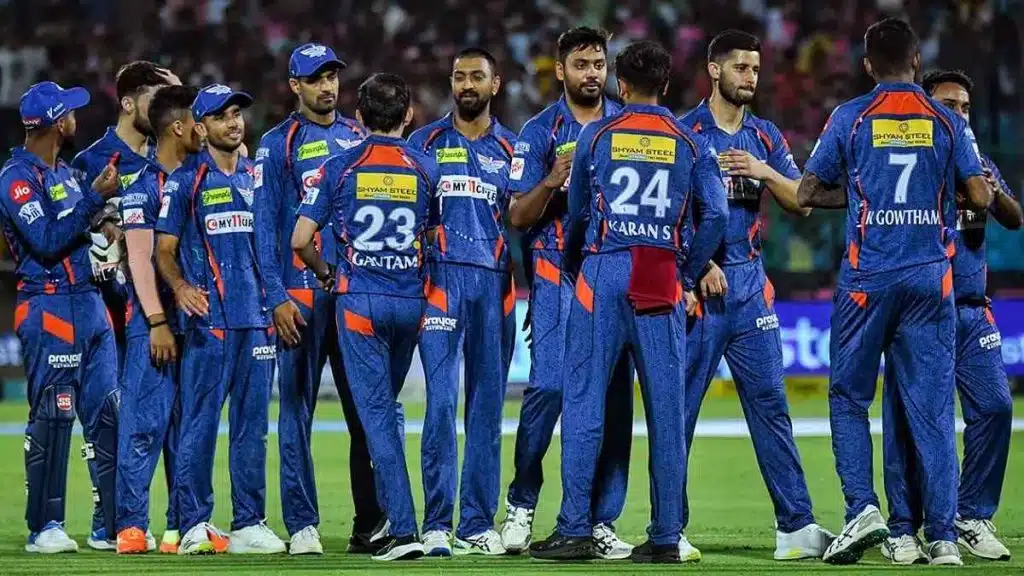
LSG reached the playoffs in their first two seasons before finishing seventh in 2024. The franchise acquired Rishabh Pant for a record ₹27 crore in the 2025 mega auction—the kind of move that signals intent.
LSG’s growth comes from Uttar Pradesh’s massive population and untapped market potential. RPSG’s diversified business interests across power, retail, and infrastructure bring sponsor networks that most teams don’t have access to.
The franchise lacks legacy branding compared to older teams. Its stadium footprint remains smaller than that of established clubs. But aggressive player investments and regional engagement strategies position it for value growth if on-field success follows.
How Top Teams Leverage Value Beyond The Field
Franchises monetize brand value through merchandise lines sold online and in physical stores. Digital content drives YouTube and Instagram ad revenue. Overseas league teams spread brand recognition across continents.
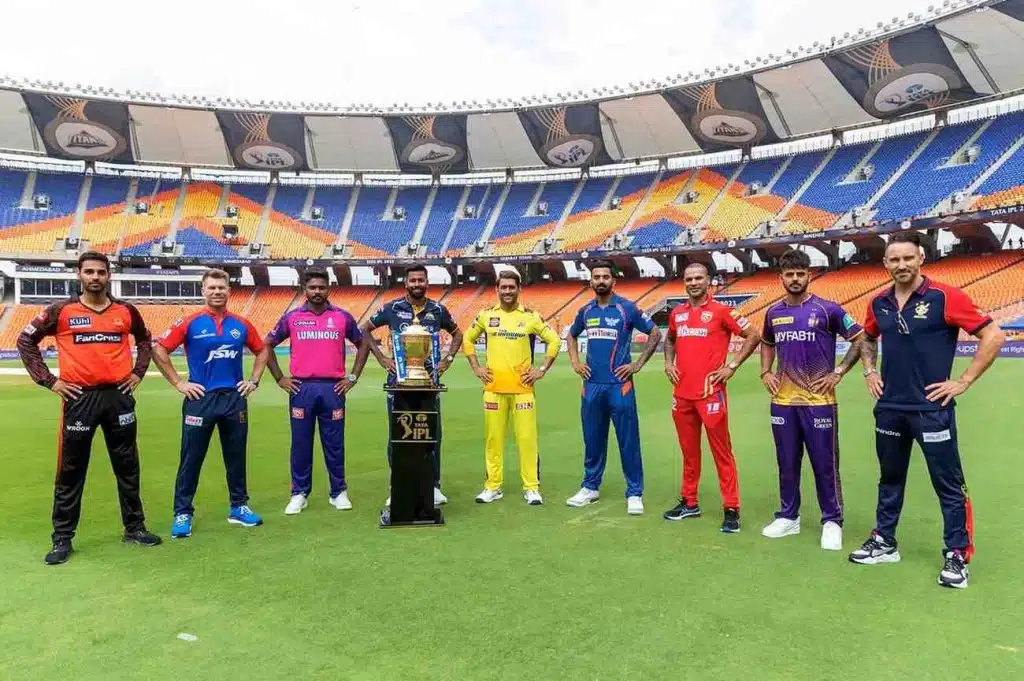
Mumbai Indians’ #OneFamily operates five teams across four countries, playing six months of cricket annually. Chennai Super Kings owns franchises in South Africa and the United States. FedEx partnerships span all three Super Kings teams.
Kolkata Knight Riders runs teams in India, the Caribbean, the UAE, and Los Angeles. These multi-league strategies create year-round content, attract global sponsors, and build fan bases in new markets where cricket is growing.
There are risks. On-field failure can dent brand perception. Stadium capacity limitations cap match-day revenue. Regulatory changes around player eligibility or broadcasting deals can shift everything overnight.
But value growth underpins future expansion. Higher valuations attract better sponsorship terms, enable larger player budgets, and open doors to international rights deals that weren’t available before.
Non-match revenue streams matter too. Academies. Gaming partnerships. Content licensing. All the ways teams make money when they’re not actually playing cricket.
Related Reads:
Conclusion: Royal Challengers Bangalore Is The Richest IPL Team, Valued At $269 Million
Wealth in the IPL comes from more than championship trophies. It flows from how franchises convert fan passion into streaming views, merchandise sales, corporate partnerships that span continents. It’s about understanding what you have and knowing how to sell it.
Royal Challengers Bengaluru sits at the top of the valuation table at $269 million after their 2025 title win broke a seventeen-year drought. Mumbai Indians and Chennai Super Kings follow closely, leveraging global expansion and legacy brands that feel unshakeable.
What separates the richest teams is their ability to sustain fan engagement through lean years. They invest in youth development that produces national stars. They build multi-league networks that keep brands visible year-round. They understand that one bad season doesn’t erase everything you’ve built.
As the IPL’s total business value climbs toward potential $25-30 billion estimates—driven by international investment interest that keeps growing—team valuations will keep rising. The money isn’t going anywhere.
Newer franchises like Gujarat Titans and Punjab Kings are already challenging established powers. They’re proving that smart ownership and aggressive branding can close valuation gaps quickly in cricket’s richest league. It happens faster than you’d think. The gap between top and bottom isn’t as wide as it used to be, and it keeps getting narrower.
FAQs
Multi-league ownership spreads brand recognition across international markets. It attracts global sponsors seeking year-round exposure, creates content pipelines that drive digital engagement, builds diverse revenue streams beyond the eight-week IPL window. You’re not just an Indian cricket team anymore—you’re a global cricket brand.
Digital reach translates to higher streaming numbers that broadcasters and advertisers pay premium rates for. It enables direct merchandise sales through online platforms, demonstrates fan engagement levels that sponsors use when negotiating partnership terms. Twenty million followers isn’t just a number—it’s leverage.
Their 76% jump followed a runner-up finish featuring explosive batting performances that drew massive viewership. Combine that with Sun Group’s media connections and investments in youth academies that produced India internationals—brand prestige rose rapidly. Sometimes everything clicks at once.
Yes. Royal Challengers Bengaluru ranked third in brand value for years before winning in 2025, sustained by massive fan loyalty, social media dominance, and corporate sponsorships that valued reach over silverware. Titles accelerate growth significantly, but they’re not the only path to value. Consistency matters more than you’d think.
Central broadcast revenue provides guaranteed income to all teams regardless of performance. But franchises with higher streaming viewership gain leverage in negotiating better local sponsorship deals and merchandise partnerships. It creates valuation gaps based on fan engagement metrics—the teams people actually want to watch earn more, even when they’re all getting a piece of the same pie.